
TNC Strategies: Fast, Focused, but Limited
A Transnational Corporation (TNC) is defined as a large company that operates in multiple countries. It has its headquarters in one country but manages production or delivers services in several others. Their global reach allows them to influence economies, politics, and the environment across borders.
For example, companies like Apple, Nike, and Unilever are TNCs, with operations, supply chains, and marketing strategies that span the globe. TNCs are often seen as key players in globalization, as they can shape international trade, labor markets, and environmental practices.
When it comes to responding to climate change, transnational corporations (TNCs) often have a leg up on governments. Why? Speed. While governments are bogged down by red tape, elections, and political debates, TNCs can make decisions quickly because their main goal is profit—and staying ahead of the curve can make a big difference to the bottom line.
Apple
TNCs also align their climate efforts with their brand image
- 100% renewable energy → Since 2018, Apple has powered all of its global operations, including data centers, offices, and retail stores, with 100% renewable energy
- Supplier influence → Apple has pressured over 70 suppliers to adopt renewable energy by 2020. This ripple effect influences other companies to follow suit, or risk losing Apple as a customer
- Carbon neutrality target → Apple aims to achieve carbon neutrality across its entire supply chain by 2030. This involves sourcing clean energy, reducing waste, and investing in sustainable production methods
So, Government vs TNCs – Which is Better?
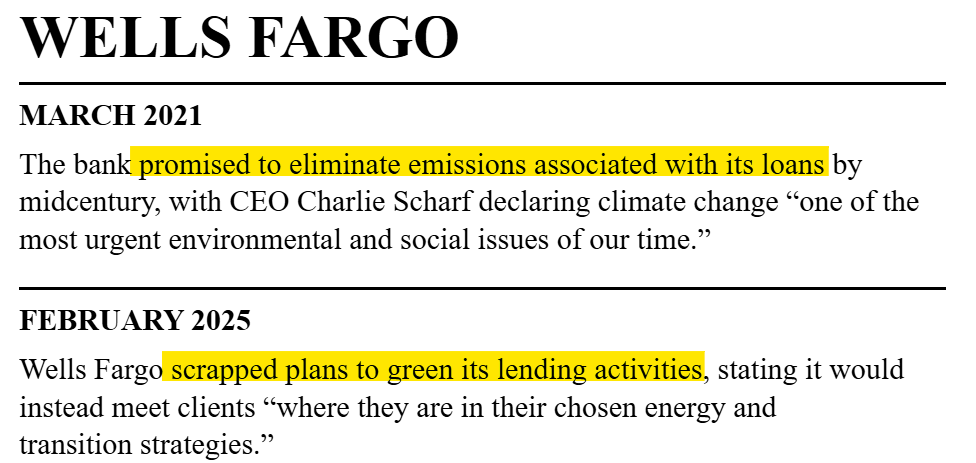
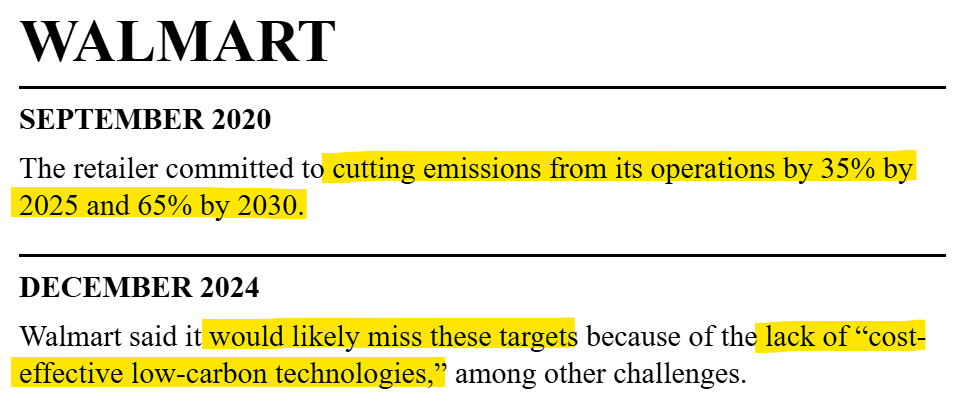
TNCs’ efforts often focus on narrow, operational improvements like renewable energy or reducing plastic. However, they miss out on larger systemic issues and may drop initiatives if they’re not profitable, as seen when some companies back out of climate commitments due to rising costs. Report from Bloomberg, where I used to work, lists examples aplenty of large corporates quietly backing out from their targets.
Government vs. TNC: A Different Scope
Unlike TNCs, governments aim to regulate entire sectors and push for long-term, broad changes. However, they face challenges like political resistance and the need for global cooperation. Governments must also secure public support, unlike TNCs who mainly act in their own profit-driven interests.
Further reading: Are Companies Abandoning Climate Action? | Yale Insights
Read here for more on Feedback Loops
Read here for more on Global Warming Impacts
Read here for more on Carbon Trading & Carbon Offset
Read here for more on Government-led Strategies
Read here for more on Greenhouse Gas & Enhanced Greenhouse Gas Effect
Full Global Climate Revision Pack available