
Food security in IB Geography refers to the reliable access to sufficient, nutritious food to meet dietary needs for an active and healthy life. It is influenced by factors such as availability, accessibility, utilization, and stability of food. In the IB exams, food security is often linked to global inequalities, economic development, and environmental challenges like climate change.
For example, while some nations have high levels of food security, others face risks of hunger or malnutrition, particularly in regions affected by poverty, conflict, or poor governance.
On one hand, innovations like vertical farming, GMOs, and expanded trade networks have the potential to dramatically increase food availability. On the other hand, challenges such as climate change, economic inequality, and shifting dietary habits threaten to undermine food security, especially in vulnerable regions. In essence, we cannot forget that this topic is a multifaceted issue influenced by a combination of technological, economic, and environmental factors.
Factors That Can Improve Food Security
Technological Advancements and Agricultural Practices
- Vertical farming → increases food production in limited/ land-starved area & als boosts yields per hectare and allows for multiple harvests annually → Ie. Singapore imports over 90% of its foodstuffs, vertical farming has transformed urban agriculture, providing a solution to food security
- Genetically modified organisms (GMOs) → GMOs allow food production in marginal areas like arid and saline lands. ie. Being semi-arid, Israel has had to revolutionize its agriculture practices. Advanced irrigation systems and drought-resistant crops are used to grow food in the desert and some of this technology has been exported out
Economic Development and Global Trade
If you’re a free-market proponent (IB Economics lol), and a strong believer of competitive advantage, you’ll kind of stray away from incentives that could lead to wastages, and instead, embrace trade! Just IMO.
- Expanded trade → countries can import various types of food to meet local demand, diversifying diets and improving food availability → ie. Japan imports over 60% of its food, securing a steady supply despite limited domestic agricultural land
- Investment in infrastructure → improvements in roads, storage facilities, and transport systems help ensure food is distributed efficiently, reducing waste and improving access → this World Bank report in 2024 stated that improved infrastructure, particularly in rural areas, reduces post-harvest losses, and improves access to markets, food distribution, and food security
P.S Content in these posts is stripped down to the bare minimum for quick exam revision, where I only provide two points. Full notes are based directly on past IB exam questions, with detailed case studies and at least three exam-ready points per topic—available [here].
Factors That Threaten Food Security
Climate Change and Extreme Weather Events
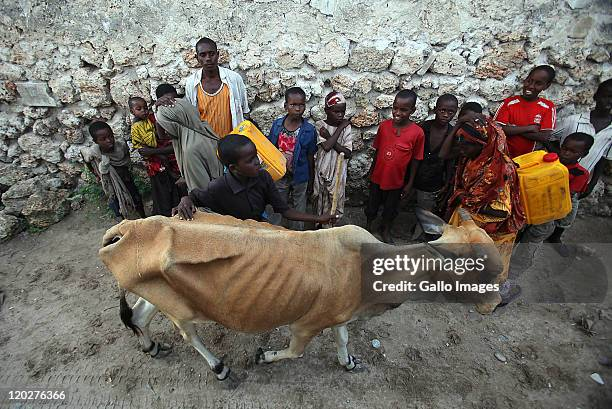
- Warmer climates lead to extreme weather patterns like floods and hurricanes → Somalia, recurring droughts (2017-2018) have severely affected smallholder farmers leading to crop failures, livestock mortality, and a sharp increase in food prices. The drought caused 1.5 million people to face food insecurity, widespread malnutrition and mortality, particularly among children
Economic and Dietary Shifts
- Rising incomes → diet shifts towards meat-heavy, processed foods strain agricultural systems, increasing demand for resources like water and arable land → in China, rising meat consumption is driving demand for livestock farming, placing pressure on water and land
- Globalization and TNC influence → encourage mass production of food high in fat, sugar, and salt → These diet changes contribute to global non-communicable diseases like obesity, diabetes, and heart disease, ultimately impacting food security → ie. Coca-Cola and McDonald’s have expanded globally, influencing dietary patterns, especially among younger populations
Tackling Food Crisis
To improve food security globally, it’s crucial to address these factors holistically—adopting sustainable farming practices, promoting economic development that supports agricultural growth, and mitigating the effects of climate change. By doing so, we can ensure a stable, nutritious food supply for generations to come.
Food security is a multifaceted issue influenced by a combination of technological, economic, and environmental factors. On one hand, innovations like vertical farming, GMOs, and expanded trade networks have the potential to dramatically increase food availability. On the other hand, challenges such as climate change, economic inequality, and shifting dietary habits threaten to undermine food security, especially in vulnerable regions.
Read here for more on Ecological Footprint
Read here for more on Water-Food-Energy Nexus
Read here for more on Malthus v Boserup
See rest of Unit 3 for more on resource security